
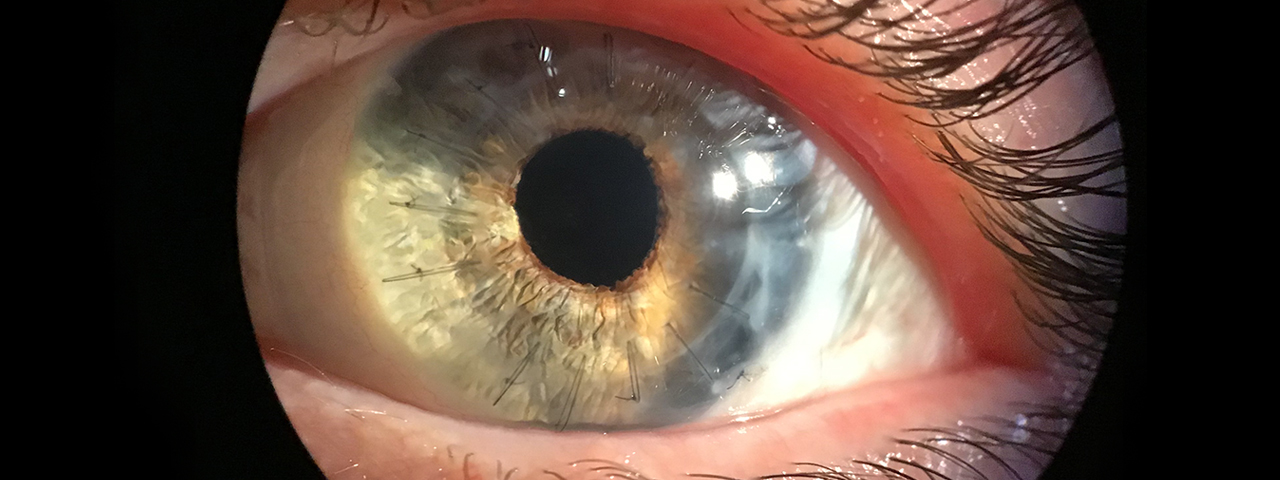
If you’ve recently learned that you or someone close to you has keratoconus, you’re not alone. This progressive eye condition can be intimidating at first, but understanding what it is and how it’s managed is the first step toward protecting your long-term vision.
Below, the team at Altig Optical answers some of the most frequently asked questions about keratoconus—covering everything from causes to treatment options.
- What Is Keratoconus?
Keratoconus is a progressive eye disease that affects the shape and structure of the cornea—the clear, dome-shaped front surface of your eye. Over time, the cornea thins and begins to bulge outward in a cone-like shape.
This distortion interferes with how light enters the eye, leading to worsening vision, irregular astigmatism, and increased sensitivity to light. Without treatment, keratoconus can significantly affect your ability to see clearly.
- What Are the Signs and Symptoms?
Keratoconus typically begins in the teenage years or early adulthood and may progress slowly. Some people aren’t aware they have the condition until their vision becomes difficult to correct with standard glasses or contacts.
Common symptoms include:
- Blurry or distorted vision
- Poor night vision
- Glare or halos around lights
- Light sensitivity
- Frequent changes in glasses prescription
- Eye discomfort or headaches related to visual strain
If you notice any of these symptoms, especially if they continue to worsen, it’s important to schedule a comprehensive eye exam.
- What Causes Keratoconus?
While there is no single cause of keratoconus, researchers believe that both genetics and environmental factors play a role.
Risk factors include:
- Family history of keratoconus
- Chronic eye rubbing
- Allergies, asthma, or eye inflammation
- Conditions like Down syndrome, Marfan syndrome, or Ehlers-Danlos syndrome
- Weak collagen fibers in the cornea
- Exposure to UV light that may increase oxidative stress in the eye
Understanding your personal risk can help your eye doctor monitor your eye health and intervene early if needed.
- How Is Keratoconus Treated?
While there is no cure for keratoconus, several treatment options can stabilize the condition and improve your vision.
One of the most effective and widely used options is the scleral lens—a large-diameter, gas-permeable contact lens that rests on the white of the eye and vaults over the irregular cornea. These lenses are custom-designed to provide clear, stable vision and improved comfort.
In some cases, a procedure called corneal cross-linking (CXL) may also be recommended. This minimally invasive treatment strengthens the corneal tissue to help slow or stop further progression of keratoconus.
- What’s the Long-Term Outlook?
Keratoconus is a manageable condition, especially when diagnosed early. With proper care and the right treatment plan, most patients can maintain functional vision and avoid the need for more invasive procedures.
At Altig Optical, we’ll work with you to create a customized plan that meets your visual needs and supports long-term eye health.
We proudly serve patients from Fort Worth, Newark, Springtown, and North Richland Hills, and across Texas.
If you or someone you love has been diagnosed with keratoconus, contact us today to schedule a consultation.
FAQs with Our eye doctors
Can keratoconus be mistaken for another condition?
- Yes. In early stages, keratoconus can mimic regular astigmatism. That’s why a detailed corneal mapping exam is crucial for proper diagnosis.
Is surgery ever needed for keratoconus?
- In advanced cases where contact lenses or cross-linking no longer provide clear vision, a corneal transplant may be recommended. Fortunately, with early management, most patients don’t reach this stage.
Can I wear regular contact lenses if I have keratoconus?
- Standard soft lenses may not provide sufficient clarity or stability. Scleral or rigid gas-permeable lenses are usually more effective for correcting vision in keratoconus patients.